Human Feces Cleanup
Human feces cleanup and disinfection in homes, rentals and public restrooms.
See human feces cleanupGet feces, urine, vomit, blood and other bodily fluids removed from a home, rental, care setting or workplace in Forest Hills. The affected area is cleaned, disinfected and checked before it is used again.
Bodily fluid cleanup is a safe process for clearing other human waste along with feces, urine, vomit and blood. After removal, the affected area is cleaned, treated for odor and disinfected.
Unlike routine housekeeping, this work accounts for fluid hidden in grout, unfinished wood, carpet pad, wall cavities or seams. Cleanup technicians inspect both the contamination and nearby areas. They safeguard clean rooms and evaluate which items can receive disinfection. When biohazard remediation is extensive, the process may extend to odor removal, containment, safe waste packaging and disposal.
Human feces cleanup, urine and feces cleanup, and vomit cleanup may be needed in a home, apartment, care setting, hotel, school, restroom or workplace. Bodily fluid cleaning services can address one recent spill or repeated contamination. The goal is to remove the source, use the right product for each surface and leave the space ready for its next use.
Ask in advance how the cleaning process is expected to move forward, including affected areas, items that may remain and materials that could require removal.
Daytime and nighttime calls receive an answer, and crews travel to the property in unmarked vehicles. You receive a calm discussion of the situation, and access is limited to the work space that is needed.
Photos, a clear scope and available waste records can be organized for property owners, managers and an insurance company reviewing the event.
Cleanable belongings and keepsakes are separated from disposable materials. A conversation with you comes before an item removal choice whenever the conditions permit.
Professional cleanup may be right when regular cleaning cannot resolve a health concern, bodily fluids have entered absorbent materials or the affected area is extensive. Needs vary by situation, with common examples including:
You might encounter human or animal waste while addressing a move-out, checking someone's welfare or cleaning a severely neglected property.
A controlled workspace can protect employees and guests during commercial feces cleanup in offices, restrooms, shops and common buildings.
Repeated accidents that saturate mattresses, subfloor, carpeting and baseboards can leave lingering odor and contamination, creating a need for feces and urine cleanup.
Professional cleaning may be necessary for human feces clean up after illness, reduced mobility or a toilet accident leaves fecal matter on floors, bedding, walls and belongings.
Keep everyone safe first, and take care not to track material away from where it began. An area involved in emergency response or law enforcement activity must be released to you before you enter. As you set up cleaning service, take these actions:
Call (888) 440-9227Published guides list small blood or fluid cleanup at $500 to $2,500. One blood cleanup pricing guide publishes a broader span of $300 to $4,000. These are comparison ranges, not a set charge for every bodily fluid cleanup. The actual cost depends on the fluid, the size of the affected area, the surfaces involved, waste disposal and odor treatment.
Published national cost guides are the source for these ranges, rather than an inspection of your property. After an on-site assessment, the price for your property is determined and shared with you before cleanup begins.
Ask about cost: (888) 440-9227Coverage depends on what caused the contamination and the terms, limits and deductible in your policy. Ask the insurance company about biohazard cleanup before authorizing non-urgent work.
Victims of violent crime can ask the Tennessee Treasury Department's Criminal Injuries Compensation Program about crime scene cleanup, which it can help with when the crime happened in a victim's home. Insurance is usually checked first.
Coverage may apply when cleaning follows a sudden event included in the policy, although ordinary maintenance, sanitation and neglect generally receive different treatment. Confirm your own terms.
Managers and property owners may ask which records the adjuster needs and whether the building policy applies before damaged materials are taken out.
Store invoices and the claim number along with photos, the work details and waste paperwork. Records from cleanup do not ensure payment since coverage is decided by insurance companies.
This remediation process explains what bodily fluid cleanup involves from the first assessment through the final check. A controlled order helps keep contamination from being carried into clean rooms. Each step changes with the fluid, affected materials and distance traveled.
The crew identifies sharps and hazardous materials requiring special care, along with the source, porous materials, nearby surfaces and affected areas.
The work area is separated from clean rooms. The exposure guides selection of protective clothing, gloves, eye protection and any other needed protective gear.
Solid waste and standing liquid are carefully lifted ahead of wet cleaning to reduce splashes and movement into surrounding areas.
When liquids penetrate beyond complete cleaning, removal may be necessary for carpet padding, upholstered furniture, unfinished timber or damaged drywall.
Cleaning comes first on retained surfaces, followed by an EPA-registered disinfectant left in place for the label's full contact time.
Door knobs, switches, fixtures and nearby surfaces are checked and cleaned when hands, shoes or equipment may have transferred material.
Discarded materials are sealed and routed under applicable waste rules. The source of contamination must be gone before odor work begins.
A check of the work area looks for any leftover soil and odor. For insurance assistance and property files, the work scope, pictures and disposal records may offer support.

You can call anytime. A bodily fluid cleanup specialist answers, explains the steps and agrees a start time with you.
Germs or infectious material may be present with bodily fluids, and an absorbent surface can retain contamination deeper than the area you see.
HIV and hepatitis B and C may be present in blood. According to the CDC, hepatitis B remains viable on surfaces for at least seven days, which means dried blood needs careful treatment.
Drywall, carpeting, padding, unfinished timber and mattresses may absorb fluids. Surface wiping can leave underlying odor and contamination behind.
Children, older adults and people with weakened immune systems may face greater consequences from exposure. A reasonable first action is to keep those people outside the affected area.
Can you clean it yourself? A small, fresh spill on a hard, non-porous surface may be manageable with disposable gloves, careful removal and an EPA-registered disinfectant used for the full label contact time. Professional cleanup is appropriate when fluid has entered drywall, furnishings, carpet or wood, or when the area is broad, blood is visible, sharp items are present or the source cannot be identified.
Hard, intact materials can often stay after thorough cleaning and disinfection. Absorbent materials may need removal when bodily fluids have reached layers that cannot be accessed. If removal exposes damage, restoration services can repair flooring, walls or other building materials after cleanup.
The time depends on the size of the affected area, how deeply fluid soaked in and whether materials must be removed. A recent surface spill takes less work than repeated contamination across several rooms.
| Scene | Typical time on site |
|---|---|
| A small spill limited to one hard surface | Cleaning, disinfection and contact time |
| One room with porous materials | Material removal followed by cleaning, disinfection and odor inspection |
| Several rooms or repeated contamination | Removal and cleaning performed in steps over more time |
Odor treatment must begin at its source, which needs to be located and removed. A fragrance can temporarily hide feces, urine or vomit odor, yet it leaves fluid untouched when it is behind a baseboard, under flooring or inside furniture.
Drying and ventilation follow once surfaces have been cleaned and contaminated material has been taken out. HEPA air scrubbers can help collect particles from the air while work is underway. Persistent odor may point to fluid retained in porous material, so seams, neighboring contents, floor edges and wall bases belong in the final inspection.
The full bodily fluid cleanup guide covers what is cleaned or removed, odor and air quality work, and the rules that apply in your state.
Read the full bodily fluid cleanup guideLocal population patterns, housing and site access may affect how containment and cleanup are planned.
At 3.1% renter occupancy, most housing is owner occupied, which can reduce the number of parties involved in cleanup authorization.
Local housing centers on 1970, making inspection beneath finished surfaces important when contamination extends past the visible area.
With 8.5% of seniors living alone, private cleanup communication may need to include a relative who lives somewhere else.
At 99.4% single-family housing, cleanup boundaries may include attached garages, utility rooms, or storage areas beyond the main room.
Ask on the call about cleanup options for neighboring communities and ZIP codes.
Human feces cleanup and disinfection in homes, rentals and public restrooms.
See human feces cleanup
Urine cleanup and odor removal address furniture, floors and subfloors.
See urine cleanup
Vomit cleanup and disinfection to stop norovirus and other germs from spreading.
See vomit cleanup
Carpet, solid floors, walls and furnishings receive blood cleanup that includes safe disposal.
See blood cleanup
Blood spill cleanup addresses fresh or dried blood spills of every size.
See blood spill cleanup
During cleanup, blood exposure involving hepatitis C, HIV and hepatitis B is controlled.
See bloodborne pathogen cleanup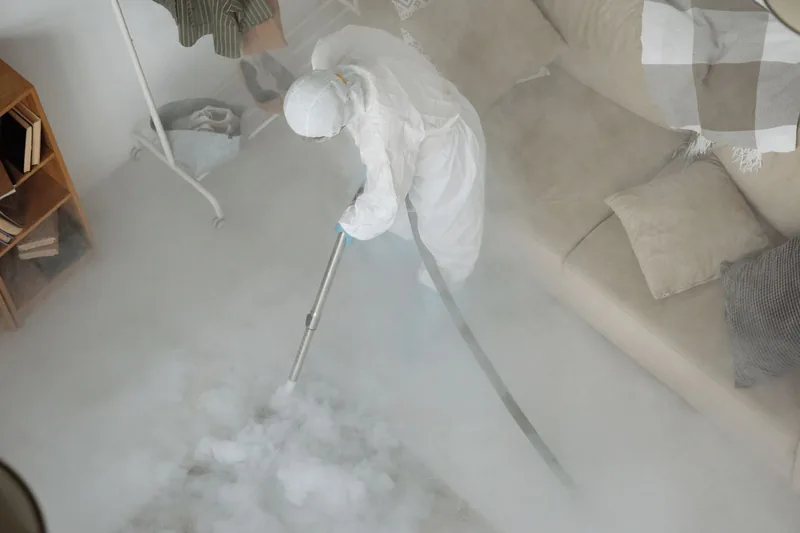
Full decontamination of rooms, surfaces and air after infectious or hazardous exposure.
See biohazard decontamination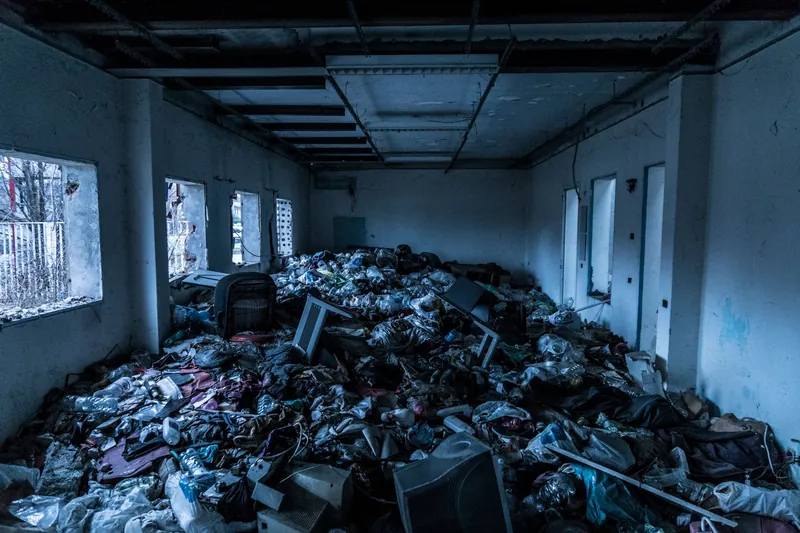
Respectful sorting, item removal and deep cleaning are included in hoarding cleanup.
See hoarding cleanupThe conditions are important, although urine by itself receives different treatment from blood. Blood, germs or feces might be mixed in, while repeated urine can absorb deeply through flooring and furnishings. Use gloves for a small surface spill. Call for assistance when contamination covers a large space, affects porous items or comes from an uncertain source.
Because human feces may carry illness-causing parasites, viruses and bacteria, you should regard it as biological contamination. After a possible exposure, wash your hands, keep others and animals away and take care not to splash or disturb dust. Controlled disinfection and removal are needed for widespread contamination or feces that entered furnishings, timber or carpeting.
Possibly, but the cause and terms of your policy determine coverage. Insurers may distinguish a covered unexpected incident from normal cleaning, maintenance or neglect over time. Describe the incident to your insurance company and, before any removal that can safely wait, ask about approval, records, deductible and biohazard cleanup requirements.
First keep others away and put on suitable disposable gloves. Avoid vacuuming and sweeping feces that have dried. Carefully remove solid material, clean the visible soil and disinfect a hard, intact surface with a suitable EPA-registered product used exactly as labeled. When hazards are uncertain, materials are porous or contamination is widespread, professional human feces removal is the safer option.
The product directions and type of surface determine the proper cleaner. Begin by collecting the feces, followed by cleaning every visible trace of soil. Select an EPA-registered disinfectant whose label covers the surface and organism of concern, then obey its safety, dilution and contact-time instructions. Never mix cleaning chemicals, since the mixture can create dangerous fumes.
Not always. A small, fresh spill with known contents on an intact, non-porous surface may be manageable with gloves, careful cleaning and a suitable disinfectant. Call for professional cleanup when blood or sharp objects are involved, the source is unknown, fluid entered porous materials or the affected area is too large to control safely.
Discreet, respectful bodily fluid cleanup, 24 hours a day, with crews in unmarked vehicles.